
In Christ, There is No Ordinary Life
We now enter into Ordinary Time. But, any Sunday in Ordinary Time is no less important than the other liturgical seasons of Advent, Christmas, Lent and Easter. The word Ordinary as used here comes from the word “ordinal” or “numbered” simply to mark our Sundays and in that sense we are in ordinary time, but there is never anything ordinary about the message of the Gospel.
In fact, Sundays in Ordinary Time - are devoted to the mystery of Christ in its fullness – for us to become more familiar with the Person of Jesus and His way of living…
- Today’s Gospel (John 1:29-34) is actually another Epiphany - another revelation of who Christ is – as John the Baptist said: “Behold the Lamb of God, who takes away the sin of the world.” – which we hear before Holy Communion at every Mass. Jesus is the perfect expression of God’s sacrificial love for the world.
On these Sundays in Ordinary Time - we focus more on various aspects of our faith, especially the mission of the church, our mission in the world…what it really means to be a Christian.
From our First Reading today: “I will make you a light to the nations; that my salvation may reach to the ends of the earth.”
Are these words speaking to you? Are they speaking to your heart? If so, are you “up for it”? Is there anything that demands a response from you? Like Mary, ponder it in your hearts.
From our Second Reading (1 Cor.: 1:1-3) – we heard St. Paul addressed the Church in Corinth - To the church of God that is in Corinth - We can phrase it to say: To the church of God in Vallejo - To St. Catherine of Siena faith community - you who have been baptized and sanctified in Christ Jesus, you are called to be holy, with all those everywhere who call upon the name of our Lord Jesus Christ.
“Holy” means – to be set apart for a unique purpose - called out of this world, set apart for God… Being in this world but not of it…
The universal call to holiness is a teaching of the Roman Catholic Church that all people are called to be holy – not only priests and religious – but also all lay people living an everyday life and doing ordinary work: There is something holy, something divine, hidden in the most ordinary situations, and it is up to each one of us to discover it.
All of us – no exception - are called to share in the mission of Christ in the world… so that through us – other people will also be transformed and also experience having Christ in their lives….
Jesus did not merely “appoint” the twelve apostles, but He actually transformed those ordinary men into apostles. Jesus transformed very ordinary and unpromising persons into active vessels or instruments of divine grace…into living Sacraments through whom God can pour out His love, grace and mercy.
You see – God uses ordinary people, to do the extraordinary. God did this with the apostles. He did this with His saints. He can and will do this with us. God makes us, ordinary people, extraordinary…. The truth is - “In Christ, there is no such thing as an ordinary life.”
At our baptism, we were all - in effect – in essence - commissioned as “workers in the vineyard of the Lord” – as laborers to help with God’s harvest… because “the laborers are few”. Again, the call to share in the mission of Christ is not only for the priests and the religious.
When we come to the table of the Lord to receive Holy Communion – as we receive the Body of Christ - we renew our own baptismal commitment to witness to our faith.
That is why at the end of the Mass – having received the Body of Christ - we are sent to proclaim the Good News of God’s love – to glorify the Lord by our lives - to be in the world - what we have become – the Body of Christ - to be the presence of Jesus in our world—in our homes and workplaces and neighborhoods, our schools, starting with our own families.
We are all called and sent to proclaim how really good the Good News is!
What I just said and about to say have been preached to us - so many times - in so many ways. If we have not really given this a lot of thought, maybe it’s time we did… because this is what life is all about… Life is not just about getting the most out of this earthly life. Life is not just about being comfortable.
Part of our mission is “to comfort the afflicted; to afflict the comfortable.”
- to wake people up to reality… to the truth… to shake them out of their complacency and indifference.
But of course – we cannot give what we do not have.
So – the question to us is this: How does our ordinary daily life reflect or show our faith in the Incarnation of Christ – what we celebrate at Christmas - God becoming flesh – the Word – the Love of God becoming flesh in us?
How does our life reflect our faith in the Risen Christ who conquered sin and death? Are we truly Easter people…
This life in Christ – who lived His life in total surrender and obedience to the will of His Father - is the key to fullness of life, sense of fulfillment, true peace, true happiness, true joy, life filled with hope.
… The goal of all the baptized… is making the relationship with God as the focus of our lives – living our lives centered on Jesus Christ… doing God’s will.
Again – if you want to be truly happy - true joy and lasting happiness, fullness of life, eternal life – which we all want – they come from doing the will of God in our lives… by being what God created us to be.
You know what? The only real sadness is not to find God’s will for your life – not to find your own unique vocation – not to find God’s unique plan for your life and therefore failing to do God’s will. Failing to live your life according to will of God brings about the real sadness… more than all the other sadness you might experience in life.
We have to realize that no one – no one can take our unique place in God’s plan of salvation – to reach those people God uniquely placed in our life. As Saint Francis of Assisi said: "You may be the only gospel a person will ever read."
The saints – who were ordinary people as we are – they became saints not because they were perfect; but because they allowed God to transform their imperfections. We are all called to be saints. That’s our vocation. Saints do not mean only those saints the church canonized publicly and recognized with feast days. Saints are those who lived faithfully their ordinary lives.
In its most basic sense, a saint is a “holy one,” someone who is set apart for God's special purpose. As a result, every follower of Jesus is a saint. All of us are called to be saints.
To be a saint does not mean that we need to run away from the demands of family and profession and escape to a monastery, to a convent or to the desert to become a saint…. God expects us to be saints in the ordinary concrete situations of our personal, family and business or professional lives.
We have to remember this - St. Therese of Lisieux said: You cannot be half a saint. You must be a whole saint or no saint at all.
There is a wonderful statement by St. Mother Teresa of Calcutta which we should all take to heart and which we should remind ourselves of - everyday…
She said: “Each time anyone comes into contact with us, they must become different and better people because of having met us. We must radiate God’s love.”
Meaning - If we have the Spirit of Christ in us, naturally - we ourselves become Good News also to others. Our words and actions become signs of God's loving presence in the world. “And the Word became flesh.”
…And that is our vocation…
Amen.
God bless…
Ponder in Our Hearts as Mary Did
In the words of Pope Francis, at the beginning of this new year, let us entrust this year and ourselves to Mary, the Mother of God.
Today we celebrate the Solemnity of Mary, Mother of God.
Non-Catholics question why we Catholics have so much devotion to Mary instead of just focusing on Jesus… why not go straight to Jesus.
Well – as St. Louis de Montfort said beautifully – Mary is the safest, easiest, shortest and most perfect way of approaching Jesus…
All proper and true devotion to Mary leads to a greater understanding of Jesus, her Son.
What we celebrate today is a great example. You see, actually, this feast of the Solemnity of Mary as the Mother of God, one of the oldest in the Church, goes back to the first centuries of the Church, when the Church was trying to explain and express in words - the reality of who and what Jesus is – in defense against heresies in the Church…
….because there were all sorts of heretics who denied either the divinity or humanity of Jesus – meaning there were groups who claimed Jesus was only a man and not God and there were groups who claimed Jesus was only God and not really a human being like us… that Jesus only appeared like one.
So, the Church tried to explain and express who Jesus is and what he is. Who is Jesus? Jesus is the eternal son of God the Father, the Second Person of the Blessed Trinity. What is Jesus? Is he by nature God or man or both? The Council of Chalcedon clarified that when the Second Person of the Trinity became man, he was both totally human and totally divine at the same time… admittedly, this dogma is beyond what our human mind can grasp… so we are called to faith… to deep supernatural mystery of our faith.
Our faith tells us that Jesus Christ is truly human, with a human mind, will and body. Jesus Christ at the same time is also truly God. His two natures, human and divine, are united in the one person of Jesus, the Son of God.
In the fullness of time, God who is outside of time and space entered into our world through a human mother.
…And Mary is the mother of the human nature of Jesus….and since the total person of who Jesus is cannot be separated from what he is… both fully man and fully God at the same time... therefore, Mary is truly the Mother of God… because Jesus IS God.
Our celebration is actually a bold proclamation that Jesus IS God.
That is the theology behind the feast we celebrate today. It is important for us to be aware of this dogma of our faith. We have been entrusted with a rich tradition. We should understand the basic elements of our tradition.
Now…what does this feast of Mary, Mother of God, say to you and me, or what does it mean for us, right here and now, not as theologians, but – on a practical level - as individuals and as a faith community struggling to follow Christ, struggling to be true Christians, to serve God in our lives every day.
From our second reading from St. Paul's letter to the Galatians: God's plan was that his Son be born of a woman so that we might become God’s adopted sons and daughters. The Son of God became one of us… God sent the Spirit of His Son into our hearts, and as God’s beloved children, now – awesomely - we can call God “Abba, Father”.
God is our Father. Jesus is our brother. The Holy Spirit, the Advocate - is in our hearts. Mary is our Mother. Wow!!! That is the truth. So, we should be indescribably joyful about that!
We have heard this many times, but do we really understand/truly grasp this truth, this reality - what it means… and therefore, are we living our lives accordingly, as beloved sons and daughters of God?
We really need to ponder this in our hearts like Mary did.
God is Our Father and so, when we are troubled with the struggles of life, when we have doubts and when our faith becomes weak, we must continue to be confident that God, who is always near to us, really hears our prayers.
We have to remember this truth – because of Mary’s cooperation with God’s plan, we are now beloved children of God - God who is not an unapproachable ruler, not someone out there in outer space but God who is with us… Emmanuel…God who cares about us… and God who truly knows and understands our human struggles and pains and sufferings…because He became one of us in the flesh.
That is what our feast, Mary being the Mother of God, means for us.
Again, true and proper devotion to Mary leads to Jesus… just as Mama Mary said at the wedding feast at Cana: “Do whatever Jesus tells you.” The question is: Are we listening to what Jesus is telling us?
I think it was Thomas Merton who said: “The root of people’s problems is actually the lack of contemplation.”
Today, we honor Mary - not adore Mary as the Protestants accuse us of – but we honor her as our Mother, as the model of contemplation.
Mary reflected or pondered the word of God in order to discern what God was saying to her at every stage in her life as the handmaid of God… a great example for us.
God constantly reveals Himself to us. He speaks to us through divine revelation. He speaks to us through the Bible, the teaching and preaching of the Church - as well as through our personal experiences, if only we made time to reflect on them as Mary did…until they sink into our hearts…
As we start the New Year – As our new year’s resolution - let us resolve to listen more to the voice of God, and ponder it in our hearts as Mary did.
Let us make reading the Scriptures daily as one of our goals.
We do not know what this coming year holds for us…Only God knows… Let us pray with Mary for deeper and stronger faith in our ever-faithful God, who is and will be with us in bad times as well as in good times. Mary continued to say “yes” to God all her life although there were things, there were times she could not understand.
Let us pray today to the Holy Spirit, the Spouse of Mary – for His gift of understanding…for us to realize that God, God’s love is far greater than what our intelligence can comprehend…
Usually this time of the year, we also look back into the past, so, let us pray/proclaim as Mary did: “My soul proclaims the greatness of the Lord, my Spirit rejoices in God my savior…He has looked with favor on His lowly servant…” This Magnificat should be part of our prayer every day.
Let us pray for humble grateful hearts for all the blessings God has showered upon us and let us pray for generous hearts to share our blessings with those less fortunate; with those to whom life has not been so kind.
January 1st is also the World Day of Peace. Mary is our Queen of Peace, our Lady of Peace…. The beginning of the year is also a great time to pray for the blessings of peace in this troubled world in these trying times beginning within ourselves and in our own families.
Let us pray that we will always remember and trust that no matter what our past may have been, no matter what we have done, there is always God’s mercy and forgiveness…
…God is always ready to forgive us; no matter what the world has done to us, no matter what we have done - there is always the grace of beginning again, new year, fresh start.
Let us take time today and examine our hearts to see if there are any relationships especially within our own families that need healing; any relationships that need to be reconciled. Start now.
Let us try our best to forgive. Our Lord, the Son of Mary, the Prince of Peace, calls us to love not only those who love us but also those who do not love us, who do not like us.
Let us pray that we be living instruments of Christ’s peace.
My brothers and sisters in Christ – As God has made Mary full of grace, let us pray - may God fill us and our loved ones with His grace this New Year and in the years ahead. Amen….
Wishing you all and all your loved ones: Blessed Grace-filled Holy New Year!!!
God bless…

2022 Statements of Contributions
2022 Statements of Contributions will be available through the Parish Office upon request only. Please contact the Parish Office by phone (707-553-1355), or complete the online form here.
2024 Statements of Contributions will be available through the Parish Office upon request only. Please contact the Parish Office by phone (707-553-1355), or complete the online form below. They will be issued in the order received.
*Please note: We are unable to expedite requests this year, so please plan your tax filing/ appointments accordingly. Thank you for understanding.
For requests received by Friday, January 20:
Tax letters will be available for pick-up (or mailed) by Tuesday, January 31. They will be issued no sooner than the last full week of January.
For requests received After Friday, January 20:
Tax letters will be available for pick-up by Tuesday, January 31 or within 3–5 business days, whichever is latest. Please allow an additional 3–4 days for mailed letters. (Please note: We are unable to expedite requests.)
Rejoice Always Even in Suffering
We heard in the Gospel: "the poor have the Good News preached to them." How do you feel when you hear good news? Of course, rejoicing. Joy. Today is Gaudete or Rejoice Sunday.
What is the essence of the Good News? How is it summed up? Everyone should know this. It's in the ever-popular John 3:16…we used to see it in sports events. "For God so loved the world that He sent His only Son, that whoever believes in Him may not die, but have everlasting life." Meaning – in Christ, we are going to live forever in the glorious presence of the One who is LOVE… not only after our physical earthly death, but even in the here and now… as both John the Baptist and Jesus said: The kingdom of heaven is at hand.
Christmas is about joy. The angel said to the shepherds, “Behold, I bring you good news of great joy . . .” Whatever other enjoyments we may have during this season, the true joy of Christmas comes from the realization that our deepest longings have been met in the divine gift of God’s own self in Jesus Christ… and so – We Rejoice in the Lord!
The Old Testament expresses the joyful EXPECTATION of the great significant thing God will do… as we heard in the First Reading from Isaiah.
The New Testament is full of joyful RESPONSE for the significant thing God has done… Promise has already been fulfilled. Jesus said: “Go and tell John what you hear and see: the blind regained their sight, the lame walk, lepers are cleansed, the deaf hear, the dead are raised, and the poor have the good news proclaimed to them.”
As Christians, we celebrate the “event” Christmas commemorates. Christmas is about a birth, a birth in this very real world of time and space.
Meaning - God, although He is outside of time and space, has come within reach. God is not remote, not out there somewhere. God is “Emmanuel” - - “God with us.” Flesh and blood. One of us.
This good news is the true basis of Christmas joy. God makes Himself available to us in this desperate troubled world.
Perhaps – as some of you might say: “I really would like to be joyful, but I am hurting too badly.” Maybe you lost a job, lost your home, lost your health or broke a relationship, lost a loved one and this might be the first Christmas without your loved one, … and so you might say: As much as I want to, I really cannot bring myself to be joyful this Christmas.
With all due respect, if that is how you feel, there is something very important – hopefully for you to realize and see – that Christmas joy is not the absence of suffering. The world may define joy this way, but not the gospel. Christmas joy is a mysterious joy in suffering, joy through suffering, joy in spite of suffering. The complete Christmas story involves a cross. Actually, Christmas points to Good Friday and Easter.
Instead of yearning for a problem-free life, let us rejoice that troubles can actually bring us into deeper awareness of God’s presence in our lives.
What we celebrate at Christmas is true every day of the year. God is always coming to us. God is present in all things, even in our suffering. God is at work in all things to bring some unforeseen good even out of sufferings and trials. This is what we see clearly as Christians at Christmas, and this is the source of a very special joy.
As we heard from our first reading - The prophet Isaiah speaks of what God can do with our desolation: “…They will see the glory of the LORD, the splendor of our God. They will meet with joy and gladness, sorrow and mourning will flee. The desert and the parched land will bloom with abundant flowers, and rejoice with joyful song.”
So – Are you in a kind of desert of life, so to speak, right now? Where is your desert, your wilderness? It is there in every person’s life. No one’s life is all rosy and trouble-free. Every life has desert places. The great prophet Isaiah declares that God brings life out of death. God does not just give life. God brings life out of death.
The desert is a graphic metaphor of what life can become. Some people are living in a seemingly hopeless situation, where they find nothing but emptiness and an unrelieved dryness and so, they may not respond to sermons or words of encouragement no matter how good they may sound… Admittedly, even the most eloquent words are not enough to console a sorrowful heart.
But - as Christians, we need to continue to proclaim and share the Good News of God’s love, grace and mercy/the Joy of the Gospel… and we are all called to be the prophets of our time. As Christians, Jesus invites us to follow Him into the desert places of people’s lives and to invest ourselves there… meaning, we are called to share in Jesus’ mission of proclaiming the Good News of God’s love, grace and mercy not only in words but by our very lives. St. Francis of Assissi said: “Preach the Gospel at all times, and if necessary, use words.” The power of love can give hope to those in despair.
So – if you are hurting, facing difficulties in life, trust God, for someday, you will discover little streams of water running through your desert… so to speak. This hope is the source of our joy… joyful hope. And hope in God reminds us that in the end, because everything passes, God will bring all things to joy.
Remember, we have an eternity of trouble-free living awaiting us in heaven.
… something to look forward to… to be excited about.
There is this song – J O Y
J for Jesus; O for Others; Y for You…that’s all the lyrics plus “she bee do bee do” … sang repeatedly in 1950’s dance music.
J for Jesus – meaning - we need to have Jesus first – as the center of our life… we need to surrender our lives to God; love God first… and discern and follow His will for us.
O for Others… meaning, let us focus on helping others who are in their desert, so to speak.
Lastly, Y for Yourself. In other words, in plain language, if you want to be happy, make other people happy.
You will discover that those who practice J-O-Y, in that sequence, are the ones who enjoy peace and joy, and that those who practice “me first”, "self first" are always the unhappy and miserable ones.
Jesus, Others and then Yourself… just as Jesus emptied Himself out of obedience to God our Father in order to save us. If we follow Christ, and share in His mission and carry our own cross daily, then we will share in His joyful and glorious resurrection.
Meaning - If we get our priorities right, we will experience true and lasting joy and happiness every day of our life…regardless of any situations we might find ourselves in.
What brought joy and hope in the midst of horrible stories that came out of the Covid 19 pandemic and all the tragedies this past year - are stories of people selflessly forgetting themselves, forgetting their own safety and misery in order to save lives… to help others.
We heard stories of faith and hope…. that God is in control …. That God will bring good out of what seem to be a horrible situation… and it this hope – in God - that allows us to endure challenging crises in our lives.
Advent is all about looking forward – waiting in joyful hope (not wishful thinking) – but joyful expectation – Joyful Waiting - for the coming of our Lord Jesus Christ in our lives.
On this Gaudete or Rejoice Sunday, let us focus on the joy we have that the Lord has come into the world and will continue to come into our lives to help in all our needs.
Jesus said: Amen, I say to you, among those born of women there has been none greater than John the Baptist; yet the least in the kingdom of heaven is greater than John.” My brothers and sisters in Christ, then who is the least in the kingdom of heaven yet greater than John the Baptist? The Good News is – He is talking about US! You and Me! We are greater than John … because we have Christ IN us.
So – Let us all rejoice always.
Joy to the World and Joy in Our Hearts. Amen.
God bless…
1st Sunday of Advent: Wake Up, Stay Awake, Be Alert Be On Guard
In Jesus’ time, the problem Jesus faced was NOT that no one was waiting for the Messiah; NOT that NO one was looking for a savior, but the problem was that Jesus turned out to be a different Messiah from what the people were waiting for… therefore, not only that they did not recognize the Messiah, right in front of them; they killed Him.
Similarly – our own concepts of what or who God is could be our own obstacle to knowing and encountering God. We could be blinded by our own concepts and prejudiced ideas of what God is – of Who Jesus is; of how God would come into our lives; of how God works in our lives. The truth of the matter is that people did not recognize Jesus then and they do not recognize Him now. Just as John the Baptist declared: “There is one among you whom you do not recognize (Jn 1:26).
As one author wrote: The world did not recognize Jesus then because:
They were looking for a Lion, He came as a Lamb.
They were looking for a Warrior, He came as a Peace maker.
They were looking for a King, He came as a Servant.
They were looking for their temporal needs to be met. He came to meet their eternal needs.
They were looking for someone to liberate them from Rome, He submitted to the Roman Cross.
AND - It is NOT ONLY in terms of WHAT the Messiah will be like but there were and even in our time, there are still misconceptions as to WHEN and HOW the Lord will come.
The admonition for this first Sunday of the church’s new year is: Stay awake! Keep alert! Be on guard! What does that mean?
Sometimes the Second Coming of Christ is spoken of in the New Testament as a grand, cosmic event in which Jesus will descend on clouds from heaven. Trumpets will sound, the dead will be raised, and Christ will return in glory.
But - Today we have another image of Christ’s coming. In our Gospel, we hear Jesus say that the Lord will come like “a thief in the night.”
Meaning - God comes to us in unexpected, surprising ways. This is actually what we celebrate during Advent and at Christmas.
What the incarnation means for us, God becoming one of us in the flesh, and what we celebrate throughout this holy season, is that God is with us… Emmanuel.
The challenge for us is to be spiritually alert and watchful which is the true meaning of Advent but unfortunately Advent has become an almost routine commercialized season – just a time for parties and shopping for Christmas gifts.
So – How do we “Stay awake! Keep alert! Be on guard!”
That’s the challenge for all of us: Our real worry should not be that the world might suddenly end or that we might unexpectedly die, but our concern must be that we might live and die, ASLEEP, so to speak.
Father Anthony DeMello, a Jesuit priest said: Spirituality means waking up. Most people, even though they do not know it, are asleep, so to speak. They're born asleep, they live asleep, they marry in their sleep, they raise children in their sleep, they die still in their sleep without ever waking up.
Meaning - They never understand the loveliness and the beauty of this thing that we call human existence… never understanding how to be fully alive.
Meaning – People live and die without really loving, without properly expressing their love, and without tasting deeply the real joy of living because they are so consumed by the worldliness, business and busy pressures of living that they never quite get around to fully living.
St. Irenaeus said: “The glory of God is a man fully alive.”
That is why Jesus said: “I have come that they might have life and have it abundantly (in other translation) – to have life to its fullest.” (John 10:10)
You see - being alert, awake, and being vigilant in the biblical sense is not a matter of living in fear of the world ending or of our personal lives ending.
Rather, being awake is a matter of having love and reconciliation as our chief concerns. It is a matter of always being grateful, thanking, appreciating, affirming, forgiving, apologizing, and being more mindful of the joys of living in human community and within the sure embrace of God…every day – meaning – Christ’s ongoing coming by grace into our lives every day… not just at the first coming; not just at the second coming but coming into our lives every day.
We need to be awake spiritually. Again, the end of the world should NOT concern us, nor should we worry excessively about when we will die. What we should worry about is: IN WHAT STATE our dying will find us… meaning – in what state our hearts and our souls will be when we die.
We are called not only to wake up to life, but called also to stay awake, so to speak. We are being reminded of how easy it is to become lazy in our life of faith. We are being reminded that our hearts can become drowsy from “carousing and drunkenness and the anxieties of daily life.”
A simple practical illustration - This is also the season of holiday parties especially now that people can gather together again, people are excited… You can pretty much imagine some people standing in front of their closets – anguishing - with the silent cry, looking at all the clothes: “Which one am I going to wear?”
From our Second Reading today, St. Paul also mentioned: “It is the hour now for you to awake from sleep.” He urges the Romans to find a renewed intimacy with Christ. St. Paul – using metaphor drawn from the closet - asks his readers to “put on Christ.”
To “Put on Christ” means to dress our inner being/person, not the outer body, and “to put on Christ” is thus a call to place priority on our relationship with God more than our relationships with the world.
St. Paul encourages us to dress our inner being, our character, our soul with more attention than we give to dressing up our bodies.
St. Paul is telling us to strive to please God, the One who looks upon the heart rather than the face, to dress the soul more carefully than the body. As Thomas Merton observed, “the very desire to please God, already pleases God.” It is our highest calling and purpose.
How do we please God? What are the “garments” – so to speak - of the well-dressed soul? Remember, we cannot serve God or love God without also serving and loving our neighbor. If we would put on Christ, we must “behave properly”.
Meaning - We are to enjoy life but in moderation (“not in orgies and drunkenness”);
We are to enjoy relationships of intimacy but within God’s plan for marriage (“not in sexual immorality or lust”);
We are to enjoy honest and real friendships with companions, with our family members and co-workers (“not in rivalry or jealousy”).
So, what are we going to wear, so to speak, this Advent season? Today is the beginning of our season of introspection, going deep within, of examining our conscience, of renewing our covenant relationship with God and season of spiritual preparation for the coming of Christ whenever and however that might be.
St. Pope John XXIII said that if we live according to God’s will, in communion with Christ, then any day is a good day to die even if death comes like “a thief in the night” because our true home is in heaven – living our lives with eternity in view – recognizing that we are just passing through in this earthly life.
Let us dress appropriately spiritually.
Let us clothe our minds with thoughts of repentance.
Let us wrap our hearts in hope for God’s coming. Let us gird our souls - in glad service of the poor and powerless - for the love of God.
So, my brothers and sisters in Christ, when we stand before our packed closets, filled with clothes, instead of asking “Which of these clothes should I wear?”, may the Christ who was born in a borrowed cave, wrapped only in a few strips of cloth; may Christ who died on a cross wearing even less, - May Christ call us to ask the more important question, “Which of these clothes can I give away?”
God bless…
Learn from the Tragedies, Everything is Passing.
Cycle C - 33rd ORDINARY - NOVEMBER 13, 2022
(based on the Sunday Gospel reading from Luke 21:5-19).
“By your perseverance you will secure your lives.”
We live in such troubled times:
Thank God – we survived the COVID 19 Pandemic, although it is not totally over yet.
We heard about various terrorist attacks which killed at least a hundred people, including many children.
Many young people died in Seoul, South Korea as a tragic consequence of a sudden crowd surge.
We hear of heart-breaking news of destructions and the sufferings of countless innocent victims because of the war in Ukraine which has serious global consequences including shortage of food supply for poor countries.
We hear of natural calamities (hurricanes, tornadoes, flooding, fires) during the past few months.
People lost everything they had – including their loved ones.
Having said that - these tragedies, calamities, disasters - point up to one truth: the transient or passing nature of things in this world. Meaning - Nothing lasts.
Jesus spoke of this in today's Gospel. The disciples were celebrating the beauty of the temple. And Jesus said: "These things which you see shall not be left one stone upon another that will not be thrown down." He was referring to the temple… The truth that Jesus spoke applies to all worldly things . They may last a long time, but eventually, they will all be gone.
Actually, reality check – not to be morbid - not only material things – but everyone – all of us – including our loved ones – are all passing. We are all just passing through in this journey of life on earth.
And - This realization causes a certain amount of anxiety about the future and it is natural and understandable. The future is full of uncertainty and if we are not careful, we can get so preoccupied with questions about the future, and therefore be filled with anxiety.
The Good News is - Through the Incarnation of God – which we will celebrate next month - God becoming One of us in Jesus Christ, God has entered time and history. Christ sheds light on the future. Christ is the Alpha and the Omega, the beginning and the end… and this sets the future in its proper context. Meaning – we now have this great hope because – in Christ - All things move toward the fulfillment of the plans and purposes of God. The end of our life story and of history belongs to God.
We cannot see very far into the future. Abraham Lincoln said “the best thing about the future is that it comes one day at a time.” Twelve-Step programs for alcoholics prescribe “one day at a time” as the best way to managing the challenges of life. Similarly - Faith must be lived one day at a time.
Jesus’ instruction was that the disciples should live each day fully prepared for the coming of God’s kingdom. Each day is a gift from God, and we are to live each day to the fullest in service to the world in Christ’s name.
We are not guaranteed years or months or even days… Tomorrow may never come. What we have is one moment in time. It is a treasure because it will never come again. So - what we do with each moment of time is our gift to God.
When people asked Jesus for some reassurance from Him about their future, Jesus gave them one simple response. Live faithfully now and you will be prepared for whatever the future brings!
Simple practical example – Yes – you are here physically at mass - yet your mind is already pre-occupied thinking about so many other things instead of focusing on the awesome loving presence of God among us and being faithfully present before God.
Again - Live faithfully now in the present moment and you will be prepared for whatever the future brings!
Faithfulness means that we must persevere through the good and the bad, the easy and the difficult times. Living our daily life in a faithful way means that we choose to embrace whatever comes our way. We live in each moment without backing away. It is that faithfulness that will prepare us for the coming events of our lives.
Faith is not a matter of speculating about the future but living faithfully in the present moment reality. We are to live wisely and responsibly, being faithful stewards of our days, our gifts, and our opportunities. We don’t know how much time any one of us has left.
The more important question is this - Have you done your best with the gifts you’ve been given by God? If not - Then here is good news - You are still alive and therefore – it is no time for idleness. It is time to do the work of God’s kingdom.
The purpose of life – of living - is to find faithful, redemptive, loving ways to give - what we have been given - back to God. And God will make us adequate or prepared for all that lies ahead - - - until the very end.
Jesus is clear and consistent about the future. He says that it will include the good and the bad. We will have suffering and gladness. At times, we will feel extremely full and blessed, and at times we will feel so empty and abandoned. Jesus is very clear that we will not be able to predict any more than that. Fear is useless. All we need is trust… faith in God.
Admittedly, this is much easier said than done. It is easy for us to be overwhelmed by the evils of this world and so we miss the presence of God… and therefore forget that God is in control. But - Remember – God loves you - God is in control – God is in charge of everything.
Jesus said: “In this world, you will have troubles, but take heart (Do not be afraid), I have overcome the world. The victory over sin and death and victory over evil has already been won. We just have to proclaim it. God already sees us in our glorious state.
Think about this - Think of something that you are worried about that might happen in the future… that you are concerned about. Okay – Remember this – If and when that happens – God will be right there and then with you. So – why worry. Worrying about the future robs us of the grace of the present moment reality.
Again - Only if we live faithfully - in the NOW - will we be ready for whatever the future brings.
We cannot put our trust in wealth, health, possessions, beautiful buildings, in power, in weapons, etc. Our perseverance in faith, to God and one another, is what will be our saving grace. As we heard in the Gospel, “by your perseverance, you will secure your lives.”
Again – we live in these times of trials and struggles… but we are assured that they, too will all come to pass. What is being tried is our willingness to be faithful children of God. So - can we be a sign and source of hope in these times of troubles and trials and uncertainties? Can we hope, not in the signs of power or material possessions or wealth or health, but can we hope – not wishful thinking – but expectant hope -and can we be signs of faithfulness and love?
Our God is a loving Father. He has showered us with blessings beyond our perceptions and understanding. God loves us beyond our wildest imagination.
So - As we get closer to the end of the liturgical year – Feast of Christ the King next Sunday - we are challenged and asked to examine our own lives. Do we really spend enough time thanking God with our words and actions. How much time each day do we spend in prayer, how much time do we spend helping others? … instead of being so pre-occupied with self-centered things.
As we come to the table of the Lord – to receive the Body of Christ - to enter into communion with Him and with one another, let us continue to reflect and give real thought to what is happening in the world – particularly those areas where people are suffering. Let us learn from the tragedies.
May the Lord grant us the grace to set our hearts to what is eternal and everlasting. Amen.
God bless…

† All Souls Slideshow
During the month of November, we will have the names of our dearly departed projected before each weekend Mass and listed on our website.
During the month of November, we remember our loved ones who have died, and unite with the universal Church in praying for all souls in Purgatory that are unable to pray for themselves. We will have the names of our dearly departed projected before each weekend Mass and listed on our website. Parishioners also have the opportunity to bring photos of their loved ones, which will be displayed by the baptismal font.
Note: We will not be accepting personal intentions for the deceased in November. Thank you for understanding.

Major Project & Building Fund
Starting November 1, we will begin setting up a new fund to help with future major building projects, based on the suggestions of our Pastoral and Finance Councils — and most importantly, the needs of our parishioners.
Starting November 1, we will begin setting up a new fund to help with future major building projects, based on the suggestions of our Pastoral and Finance Councils — and most importantly, the needs of our parishioners.
Until our next major building project is solidified, we have the General Fund available, if you’d like to continue supporting our parish with various endeavors. Please contact the Parish Office, if you need assistance.
How to Donate Online
Please click on the “Online Giving” button above.
Select either the “One-Time” or “Recurring” tab.
Once you select the fund from the dropdown menu, enter your desired amount.
For recurring gifts, please also designate the “Frequency” and “Start Date.” Your contribution will be considered ongoing, until cancelled (or “How Many Gifts” is specified).
Enter your credit/debit card information, or your bank account for direct debit (ACH).

Capital Campaign Update
If you would like to support our Capital Campaign, donation envelopes are available in the narthex, or please contact the Parish Office. Online Giving is also available. We appreciate your continued generosity and support!
We’ve raised an additional $108,664.69
between July 1–October 17, 2022!
With deep gratitude to all our generous parishioners who have contributed to the Capital Campaign over the past 5 years, we are now able to make the final payment on the PLC Loan balance by the end of October!
Note: Online Giving recurring donations to the Capital Campaign will cease at the end of this month.
Being Prudent, Shrewd and Wise
In our Gospel reading, this is without a question the most puzzling story that Jesus ever told. And the part that makes it so puzzling is the conclusion. If Jesus had ended the story by sternly rebuking the dishonest steward or manager, that would have made it easy for us to understand but Jesus did the exact opposite. He ended the story by commending the manager and even urged his disciples to learn from the man’s example.
The question therefore is: What was it about this man that Jesus found commendable? Obviously, Jesus was not commending the steward for his dishonesty or his selfishness. What then was it?
It is his being Prudent. According to Google or dictionary - To be prudent means – to show care and thought for the future… “looking ahead.” - in other translation: being shrewd (Luke 16:8). – being smart.
The man looked ahead and saw that he was soon to lose his job. Then on the basis of that foresight, he took decisive action and made provision for his future.
That is commendable. Most of us do the same thing. We use our foresight to plan our education, to get good jobs, to make money and to secure our financial future. We save for the rainy days – so to speak. We plan for our retirement. We do our best to prepare ourselves in case of sickness, accident and untimely death. We make every efforts to get ready for them and that is being prudent and wise.
The parable invites us to wonder why we do not apply the same prudence – shrewdness or smartness to the most important areas of life – our spiritual life.
Jesus summarized his appeal with these words: “No servant can serve two masters. He will either hate one and love the other, or be devoted to one and despise the other. You cannot serve both God and mammon."
In other words - You cannot give yourself totally to God and at the same time being so attached to the money you have or attached to the desire for the more money you wish you had.
The man in our Gospel story recognized the truth of that. His focus in life was unfortunately money, which became his master so he gave himself wholeheartedly to it. But for us - our goal is godliness, so we should give ourselves wholeheartedly to God… loving God with all our heart, soul, mind and strength.
Here's a story: A young man proudly told his elder: I am going to study in the best college and graduate with highest honor.
The elder asked: Then what?
I am going to be successful and make a lot of money.
Then what? - asked the elder.
I am going to buy a big house, get married and have children.
Then what? - inquired the elder.
Well – said the young man: I am going to grow old.
Then what?
Well – (by this time his ego kind of deflated) – the young man said: I guess I am going to die.
Finally – the elder asked: Then what?
The young man was quiet. His vision did not take him beyond death.
Someone said: “All I want to know is where I’m going to die, so I will never go there.”
Today’s parable challenges us to be smart in the pursuit of the kingdom of God just as godless people are smart in their pursuit of selfish goals and ambitions. Jesus uses the example of the smart manager in his master’s business to teach us the need to be smart in the Lord’s service… because that is what life is all about.
Sooner or later we shall all be called upon to render an account of how we have done – how we have managed the blessings we have been given… what we have done with what we have… be it much or be it little.
We should likewise use or apply all our temporal and spiritual resources to gain the only thing that matters in the end: the kingdom of God… to be with God eternally in heaven… our true home… our eternal destiny.
Wisdom is seeing people, seeing ourselves, seeing things, events, reality – as God sees them… seeing ourselves as who we truly are – beloved sons and daughters of God – seeing that our lives here on earth are limited – we are just passing through - and that our true home is in heaven.
We need to pray for wisdom everyday –
Otherwise, without Godly wisdom, we will not know what to do with our money, power, knowledge, whatever we have. Therefore, we will still find ourselves feeling empty.,, not fulfilled and not truly happy.
We all pray for a long healthy life. So, if God were to give you a long healthy prosperous life – the question is – what then are you going to do with your long healthy life?
The question is: Have we lived our lives totally loving God, with all our heart, with all our being, with all our strength? Above all?
Yes, money, possessions, pleasures are good but pursue them for what they are – fleeting, temporary; they will not last.
Let us not be like the foolish rich man in the Gospel of Luke 12:16-21 – Jesus told another parable about the rich man who planned to build a bigger barn and told himself that he has ample goods laid up for many years; so, he told himself - take it easy, eat, drink, be merry.’ But God said to him, ‘Fool! This night your soul is required of you; and the things you have prepared, whose will they be?’ So is he who lays up treasure for himself, and is not rich toward God.”
So – let us ask ourselves: Have we treated everybody we’ve met with love, care, and compassion – for the love of God?
Have we been working harder to store up treasure in heaven than storing up treasure here on earth? OR
Have we put ourselves, or anything or anybody else ahead of following Jesus in our lives?
The best athletes in the world, who personify perfection, made a lot of sacrifices to be what they are; to win the gold medal or the championship. They lived a very disciplined life, they gave up certain pleasures. For many months and years, they made up the time to exercise and practice because that is how badly they want to win the gold medal or the championship…it is pretty much their life.
The question to us is: Similarly, how much or how badly do you really want to go to heaven? … which is infinitely much more valuable than winning the gold medal or the championship.
The goal of living in God's presence on earth as it is in heaven, demands sacrifice and much discipline… just as what athletes go through – that is how they make it look so easy – after much training and discipline to prepare… and overcoming obstacles and challenges and staying focused on the goal.
At the end of our life, let us hope and pray that we can say what St. Paul told Timothy (2 Timothy 4:7) – “I have fought the good fight, I have finished the race, I have kept the faith. Now there is in store for me the crown of righteousness - which the Lord, the righteous Judge, will award to me on that day—and not only to me, but also to all who have loved his appearing. (2 Timothy 4:7-8)
1 Corinthians 2:9 - “Eye has not seen, ear has not heard, nor has it entered into the heart of man what God has prepared for those who love Him.” We are in for big pleasant surprise if we love God.
How blessed we all are, through Christ, to be the beloved sons and daughters of such a loving God!
Always remember – God loves us beyond our wildest imagination. As Bishop Barron said: God is crazy in love with you – with me – God is crazy in love with us.
And so – let us love the Lord our God above all - with all our hearts, mind, soul – with all our strength. Amen. (so be it).
God bless…
(Cycle C – 25th Sunday – Sept. 18, 2022)

Bringing Hope in a Post-Roe California
This morning, the Supreme Court announced the issuance of the Dobbs decision. With this decision, both Roe and Casey are overturned.
Message from Bishop Jaime Soto on Bringing Hope in California After Roe
At different moments the disciples of Jesus were not always sure of where their journey would lead them. As Jesus approached his own sorrowful passion and death, the disciples were seized with fear and dread. To all the questions and worries, the Lord responded, “I am the way, the truth, and the life.” (Jn. 14.6) The response of Jesus was personal and faithful. He offered himself to the disciples as a faithful shepherd and companion who would not abandon his friends. He sacrificed himself for them.
With the recent Supreme Court decision, overturning the flawed 1973 abortion decision of Roe v. Wade, many people are worried about the uncertain future ahead of us. No number of years of standing precedence could erase the contrived legal machinations justifying the deliberate destruction of innocent life, but many still ponder, “Where do we go from here?” The political leadership in California is clinging stubbornly to the throw-away ideology of abortion refusing to imagine better alternatives for women and their children.
In the face of the pervasive hostile denial and distress, look to Jesus and follow his example. Our response to this historic moment must be personal and faithful. Since the 1973 decision, the Catholic community in Northern California has not only taught about the dignity of human life; we have earnestly sought out the ways to accompany women and families through many fears and uncertainties, including unplanned pregnancies. The Sacramento Life Center, the Mother Theresa and Bishop Gallegos Maternity Homes, and many other robust charitable Catholic organizations have offered a hand and given hope. In many cases, support and companionship made the difference for women and their children.
The disciples of Jesus in this generation were born for this moment. We were born ready to bring the hope and mercy of Jesus. The Lord speaks to our hearts: “I am the way, the truth, and the life.” May our words as well as our works of mercy continue to echo this saving message for others.
Now is a critical time for people of faith to become even more involved in assisting women, children and families in California needing help during an unexpected pregnancy and beyond. Our support will make the difference so that all families can flourish. Find out more at WeWereBornReady.com.
Join me in praying that we may personally and faithfully accompany others on the path to the way, the truth, and the life that Lord Jesus has given us since the very moment of conception. May the intercession of our Blessed Mother Mary grant us the confident grace to bring ourselves and others to the fullness of life.
Mensaje del Mons. Jaime Soto Sobre Trayendo Esperanza en California Después de Roe
En diferentes ocasiones los discípulos de Jesús no siempre estaban seguros de hacia dónde los llevaría su camino. A medida que Jesús se acercaba a su propia dolorosa pasión y muerte, los discípulos se llenaron de temor y pavor. A las muchas preguntas y preocupaciones, el Señor respondió: “Yo soy el camino, y la verdad, y la vida”. (Jn. 14,6) La respuesta de Jesús fue personal y fiel. Se ofreció a sí mismo a los discípulos como pastor fiel y compañero que jamás abandonaría a sus amigos. Se sacrificó por ellos.
Con la reciente decisión de la Corte Suprema, que anuló la decisión defectiva sobre el aborto de 1973 de Roe v. Wade, muchas personas están preocupadas por el futuro incierto que tenemos por delante. Ningún número de años de precedencia constante podría borrar las improvisadas maniobras legales que justifican la destrucción deliberada de vidas inocentes, pero muchos aún se preguntan: "¿A dónde vamos desde aquí?" El liderazgo político en California se aferra obstinadamente a la ideología descartable del aborto y se niega a imaginar mejores alternativas para las mujeres y sus hijos.
Ante el rechazo hostil y la angustia predominante, miren a Jesús y sigan su ejemplo. Nuestra respuesta a este momento histórico debe ser personal y fiel. Desde la decisión de 1973, la comunidad católica del norte de California no solo ha enseñado sobre la dignidad de la vida humana; hemos buscado con seriedad varias formas de acompañar a las mujeres y las familias a través de muchos miedos e incertidumbres, incluidos los embarazos no anticipados. Agencias como el Sacramento Life Center, la Casa Mother Theresa y and la Casa Bishop Gallegos, y muchas otras organizaciones católicas caritativas han ofrecido una mano y han dado esperanza. En muchos casos, el apoyo y el acompañamiento han hecho la diferencia para las mujeres y sus hijos.
Los discípulos de Jesús en esta generación nacieron para este momento. Nacimos listos para llevar la esperanza y la misericordia de Jesús. El Señor habla a nuestro corazón: “Yo soy el camino, y la verdad, y la vida”. Que nuestras palabras, así como nuestras obras de misericordia, sigan resonando este mensaje de salvación para los demás.
Ahora es un momento crítico para que las personas de fe se involucren aún más en ayudar a las mujeres, los niños y las familias en California que necesitan ayuda durante un embarazo inesperado y más allá. Nuestro apoyo marcará la diferencia para que todas las familias puedan prosperar. Obtenga más información en la internet por el sitio: WeWereBornReady.com.
Únanse a mí en oración para que podamos acompañar personalmente y fielmente a otros en el trayecto hacia el camino, la verdad y la vida que el Señor Jesús nos ha dado desde el mero momento de la concepción. Que la intercesión de nuestra Santísima Madre, Santa María de Guadalupe, nos conceda la gracia inquebrantable para llevar a nosotros y a los demás hacia la plenitud de la vida en Cristo Jesús.
Oh Yeah? So What?
As I have mentioned in my previous homily, someone has suggested that people who listen to sermons, either consciously or subconsciously, respond on two levels. One is: “Oh yeah? and the other is: So what?
The first question: Oh Yeah? means: I am not really sure that what you are saying is true; so convince me.
The second question: “So what?” means: All right, I accept this as truth, as doctrine but what, if anything, does it have to do with my life?
The great Easter message: As Mary Magdalene proclaimed and as the apostles told Thomas: The Lord is Risen! He is Risen indeed.
There is something about our human nature that finds it difficult to believe in the good. We find it fairly easy to believe in the bad. For us, the bad is readily believable. It is easy to believe in bad news, but the good is almost unbelievable. This tendency is of course not a new thing.
In our Gospel reading today, Thomas pretty much displayed the same attitude. The apostles tried to convince him of the reality of the resurrection but he would not believe them because in the scheme of things, such an event was simply too good to be true. If you think about it, we never hear people say “It is to bad too be true.” – we know how bad people can really be… in the news all the time.
Just think of what man did to Jesus; think of the Holocaust, of WWII and just think of the horrific things happening in Ukraine.
In man’s world, especially when someone is trying to sell you something or trying to convince you to buy into an idea, we really have to be very careful, because “if it sounds too good to be true, then most likely it is too good to be true.”
This is a brutal world – to say the least - and living in this world is a risky business. I am not denying that. But I am reminding you and reminding myself that this is God’s world; God is in control and God is active in it. If we keep that in mind, we will face the future, not with despair, but with hope, because in God’s world nothing is too good to be true.
By human standards, Christianity does not make sense. By human standards, it does not make sense that God would become a man; that he would die so that we, you and I, might have eternal life. By human standards, it does not make sense that we can eat his flesh at every Mass; that we can share in his life right now and that we can live in peace, joy and love – forever, regardless of the circumstances; it is just too good to be true by human standards.
So - The continuing challenge for the church is how to encourage people in the faith 20 centuries later, so far removed from being able to see or hear or touch the Risen Christ in the flesh. Our doubts have to be greater than that of Thomas.
Being a true Christian; being a true follower of Christ - is not something that you can "catch" by just hanging around other Christians or by simply attending Catholic school or listening to lectures. So, how do we get this true faith – first hand faith, so to speak, since we were not there to actually see and touch Jesus?
Well, to begin, we need to realize that faith does not come from absolute proof or it would not be faith-it would be 'fact'. In addition, faith does not require actual seeing or touching or anything else for evidence… No!
In the letter to the Hebrews: Faith is the assurance of things hoped for, the conviction of things not seen. (Hebrews 11:1)
- Faith is the personal choice that we make whether to completely believe and trust in God or not.
We have to make a choice and the choices are simple - yes or no. There is no middle ground. By not making a choice, you have already made a choice – meaning – it is the same as answering “no” to God. It is either - yes or no – not maybe. So - Make the correct choice. Your eternity depends on it.
People say or think that they need to see proof or signs to believe. In matters of faith - Believe – then you will see… Believe – then you will understand. First, you have to make that leap of faith… so to speak.
The strongest evidence for the resurrection of Jesus is in the lives of those who saw and believed as we can read in the Scriptures: The apostles said: We are witnesses… We ate and drank with Jesus after His resurrection… As we heard in the gospel today: “These are written that you may come to believe that Jesus is the Christ, the Son of God, and that through this belief you may have life in his name.”
How about us – who were not there at that time?
You see - We do not have to know how it happened to believe that Jesus was raised from the dead by the power of God. We do not believe in Jesus because of his resurrection. We believe in his resurrection because of what we have come to believe about Jesus.
Meaning – for us - The strongest evidence for the resurrection of Jesus is also in the lives of those who did not see, yet believed.
Across the ages - those who have trusted in the living Christ have experienced for themselves the power of His resurrection… just read the lives and writings of the Saints and Martyrs and contemporary Christians we know and admire.
Meaning – as we live our lives trusting Jesus – in the process - we discover the power of his resurrection. We hear – in our hearts - the word of grace, forgiveness, and new life. We hear of God’s suffering love, love that accepts us in spite of what we are and have done; love that has the power to change us. Through trusting Christ - Enough to follow him - we begin to discover the transforming power of such love in our own lives.
Therefore, when we ourselves say: “Christ is risen! He is risen indeed.” – It is not merely a historical claim. It is actually our testimony to what we have discovered for ourselves in our own lives. We – are - “the blessed who have not seen, yet believe”. We have learned that this is “the miracle of Jesus’ resurrection: out of the grave and into our hearts.
Today is Divine Mercy Sunday. The rays that come from the heart of Jesus remind us of the blood and water that came from His heart. The blood destroys the power that evil has over us. The water revives us – gives us new life in Christ - through baptism.
Yes, it is human to be afraid. And it is human to doubt. Perhaps we feel horrible at times for doubting Jesus - but you see - His mercy and compassion are stronger than our doubts. Jesus sees, He knows, He understands.
So, I say to you, “Christ is risen! Jesus is risen indeed”. If your response is “Oh yeah?, my answer is: I cannot prove it; you must make that discovery for yourself.
But if your response is: “So what? What now?”, my answer is: Now, if you truly believe; then follow Jesus, the Risen Lord; give yourself wholeheartedly to his way of peace and love, because this is what life really means; this is what life is all about. Jesus is the key to everything.
So, no matter what we are facing in life today, or will face tomorrow, joy or challenge, we look to Jesus; we remember His mercy and compassion, and we join Thomas in saying, “My Lord and My God.” We join St. Faustina in saying: “Jesus, I trust in You.”
Amen.
2nd Sunday of Easter – April 24, 2022 – John 20:19-31
Christ Redeems and Not Rescue
[“Why?” Why, since you loved this man, did you not come to save him from death? Why is it that God seems absent when bad things happen to good people? Why doesn’t God rescue his loved ones and save them from pain and death?
Jesus doesn’t offer any apology or theoretical response. Instead, he asks where they have laid the body, lets them take him there,]
(Audio recording starts here) - sees the burial site, weeps in sorrow, and then raises his dead friend back to life. So why didn’t Jesus rush down to save Lazarus since he loved him?
The answer to that question teaches a very important lesson about Jesus, God, and faith, namely, that God is not a God who ordinarily rescues us, but is rather a God who redeems us. God doesn’t ordinarily intervene to save us from humiliation, pain, and death; rather God redeems humiliation, pain, and death after the fact.
Simply put, Jesus treats Lazarus exactly the same way as God, the Father, treats Jesus: Jesus is deeply and intimately loved by his Father and yet his Father does not rescue him from humiliation, pain, and death. God raises him up only after his death.
This is one of the key revelations inside the resurrection: We have a redeeming, not a rescuing, God.
It took the early Christians some time to grasp that Jesus doesn’t ordinarily give special exemptions to his friends, no more than God gave special exemptions to Jesus. So, like us, they struggled with the fact that someone can have a deep, genuine faith, be deeply loved by God, and still have to suffer humiliation, pain, and death like everyone else. God didn’t spare Jesus from suffering and death, and Jesus doesn’t spare us from them… but He is with us through them.
The Gospel of John, according to scripture scholars was probably written around 90 A.D. – after the destruction of the temple in Jerusalem around 66-70 A.D., when Jerusalem fell and was destroyed by the Romans because of the Jewish Revolt
Christians were being persecuted and the people for whom John’s Gospel was written were in essence saying: “Where is the Lord?”
So, to help his audience realize that God’s ways were not their ways and that the risen Christ was in their midst, John, in his Gospel, then tells the story of the raising of Lazarus – which is not only about Jesus’ presence to Martha, Mary and Lazarus, but it is also about the presence of the risen Christ to John’s audience and to us today.
Of all the miracles Jesus did, the raising of Lazarus was the most astonishing to the people of his time. The Jews traditionally believed that the soul of a dead person somehow remains with the body for three days. After three days the soul departs finally from the body, and that is when corruption sets in.
When Martha objected to the opening of the tomb and said, "Lord, already there is a stench because he has been dead four days" (John 11:39), she was expressing the common view that it was already a hopeless situation. For the Jews - bringing back to life a person who was dead for four days and decaying was just unthinkable.
In a way, we can say that that was why Jesus delayed his coming, to let the situation become "impossible"… before acting on it.
Jesus said that Lazarus’sickness would not end in death, but was for the glory of God, that the Son of God may be glorified through it.
The most important message of the Gospel is that our sickness does not end in death, nor does our death end in death, because Jesus Christ has conquered death.
Jesus said to Martha: “I am the resurrection and the life; whoever believes in me, though he should die, will come to life; and whoever is alive and believes in me will never die.”
Jesus is referring not to physical death, but to spiritual death. Lazarus died again physically later. But Jesus raising Lazarus meant that Jesus has the power over death and that he has power to give life.
With Jesus in our lives, resurrection begins in the here and now, in our life of faith here on earth. For us - Christians, eternal life begins now – in Christ. That belief affects the quality of our life, our perspective in life, our perspective of life – how we see all of creation, how we see ourselves, how we see others.
The great Easter truth is not that we are to live newly after death - - that is not the great thing - - but the great Easter truth is that we are to be new here and now by the power of the resurrection.” With Christ, everything is new. Resurrection is not “everlasting life”. It is not an endless quantity of life. Resurrection is a quality of life that begins in the present… in the here and now.
Our faith tells us that Christ dwells in every member of His body, the Church, that we can find him in the people who gather with us here every Sunday. That is the deepest reason why we need to be hospitable to one another as we assemble for the Eucharist. Having a welcoming attitude towards one another, greeting one another, can help us to connect with one another as One Body, One Spirit in Christ.
As we gather around the table - we encounter Jesus and each other. You see, our Eucharistic table – like our dining tables at home - is the place of intimacy - where all who belong to the household gather – saints and sinners alike – rich and poor – male and female – no distinction - where family, community, friendship, hospitality, and true generosity can be expressed and made real.
When we come to receive Communion, we say “Amen” to the words “The Body of Christ” – which means we believe that we receive Christ himself – body, soul and divinity - the perfect being of Christ….That is true, but our Amen also means we accept the imperfect Body of Christ – we accept each one of us – as sinful as we are - the Body of Believers, the Church – we accept one another – with each others’ faults.
That is why – before Communion - we give or offer each other the sign of peace.
-That is why it is called Holy Communion – Holy = we are set apart – consecrated to be Christs in the World, but not of it - being One with Christ and with one another as the Body of Christ. It was said that at Mass, heaven touches the earth and that we experience a foretaste of the heavenly banquet.
If only people can grasp that. You will be in awe. You will not be bored. You will not leave early.
As one of my favorite song goes – “Surely, the presence of the Lord is in this place. I can feel His mighty power and His grace. I can hear the brush of angels’ wings, I see glory on each face…Surely, the presence of the Lord is in this place.”
As we continue with our celebration, we pray -
“Ever-present Lord, God of life and love – please bless our gathering. Pour out your Spirit on us. Open our eyes to your presence in each one of us; in each and every event of our lives. We ask this as we ask all things, through Jesus Christ, Our Lord, Our Savior. Amen.
Cycle A – Fifth Sunday of Lent 2022
On Sin of Uselessness
During Jesus’ time, the Jews associated suffering with the person’s sinfulness.
But we heard in today’s Gospel, Jesus said: But I tell you, if you do not repent, you will all perish as they did!
While the traditional practice of “giving up something” for Lent or doing acts of penance like fasting and almsgiving are important and praiseworthy, the Lord actually calls us to metanoia – from two Greek words: Meta, meaning beyond ; and Noeo (no e o), meaning to perceive, to think, to understand, to know.
So, the word metanoia means going beyond the mind you now have.
It is a word that describes a transformation of consciousness, a new way of thinking, a new way of seeing… conversion of mind and heart.
In St. Paul’s letter to the Romans (12:2): “Do not be conformed to this world, but be transformed by the renewal of your mind, that you may discern what is the will of God, what is good and acceptable and perfect.”
Unfortunately, when the word metanoia was translated from Greek into Latin and into English, the word metanoia was translated to simply “To Repent or To Do Penance” for lack of better word and that is a significant shift in the meaning.
And so – what was originally the call for inner transformation is reduced into feeling sorry for doing something bad or doing act of penance – although they are important – but they must flow from a transformed consciousness… from a changed heart and mind. Doing penance or giving up something for Lent must never become a substitute for a transformed consciousness – conversion.
The word “repent” actually does not do justice to what Jesus actually intended which is far more demanding.
So – on that note: Again – As we heard in the Gospel: Jesus said: But I tell you, if you do not metanoia, you will all perish as they did! And then Jesus told the parable of the barren fig tree.
The purpose of the fig tree is to produce figs. Similarly, you and I are in this world for a reason, a purpose. We have been placed here to produce some positive good.
And - When we fail to do that, we are guilty of sin just as if we had done something bad.
When we hear the word sin and repentance, to most of us, we think of the bad or evil things that should not have been done.
But, our Gospel reading today reminds us that we need to broaden and deepen our understanding of what sin is and what we need to repent of….because sin is also the failure to do that which ought to be done…. Sin is not only something bad that we do, it is also something good that we fail to do. That is the kind of sin we often overlook.
In the letter of St. James: “So, for one who knows the right thing to do and does not do it, it is a sin.” (James 4:17)
Jesus said essentially the same thing in his parable of the judgment: “Amen, I say to you, what you did not do for one of these least ones, you did not do for me.' (Matthew 25:31-46).
Remember also the parable - Jesus told - about a man traveling from Jerusalem down to Jericho. Along the way he was beaten and robbed. Jesus told that story, not so much to criticize the crime but as to criticize the indifference of the two religious – church going people – who just passed by him and did nothing to help.
Yes, we must repent and confess of the bad things we had done and resolve not to do them again. We should repent and stop lying, cheating, stealing, gossiping, speaking profanity and so on. But we must not stop there.
Our repentance must also include repentance for failing to do good.
In the story of fig tree, Jesus is basically saying that we are going to be held accountable and unless we repent of our indifference and idleness, we will wither and perish.
Everyone of us has gifts from God that we can use in His service – time, talent, treasure, knowledge of truth. We may not all be wealthy, but none of us is so poor that we have nothing to share. The point is – we must learn to care; to become giving, loving, sharing people. When Jesus talked about fruitful living, He did not mean only in terms of big and impressive things.
… in fact – Mark 9:41 “Anyone who gives you a cup of water to drink because you belong to Christ, amen, I say to you, will surely not lose his reward.”
Wickedness is not always in terms of those obvious or seen in the open. Wickedness or being bad could be the neglect of simple kindness.
We live in America, country flowing with milk and honey, so to speak, the land of opportunity and in one form or another, each one of us has been given the privilege (blessed either in terms of money, good home, good education, freedom, healthy body and sound mind….) And we all need to hear the warning of Jesus.
Being privileged or being blessed carries with it a great responsibility… That is the message of today’s Gospel reading. “Much will be required of the person entrusted with much, and still more will be demanded of the person entrusted with more.” (Luke 12:48).
So, do not be arrogant and do not look down on others who do not seem to be as blessed as you are.
We should always be grateful and be humble about our good fortune.
People say: “I live a clean life… I am not hurting anyone… I pay my taxes, follow rules and regulations… I mind my own business…” Well, that is nice… but the problem is you might not be doing anything good also for anyone”…. sin of uselessness. It is not enough for you and me to be nice and clean and – with no bad record. We must also be good for something…
In the second reading, St. Paul tells the Corinthians, "Whoever thinks he is standing secure, watch out lest you fall down." Meaning – St. Paul warns us against spiritual overconfidence.
The truth is simple: we must fight evil and do good, repent and bear fruit as the gospel says, or we will also suffer eternal perish.
Like the Eucharist – the Body of Christ, our lives must be blessed, broken and shared… like the Blood of Christ – we must be willing to be poured out into loving service of God and others.
Jesus is challenging our hearts and minds to shake up the way we live… metanoia… conversion…
The Danish philosopher Soren Kierkegaard once wrote: “Ultimately, there is only one sin, and that is the steadfast refusal to be one’s own true self.” Meaning…failing to be who and what we are meant to be by God… and this failure is expressed in doing what we are not supposed to do and not doing what we are supposed to do.
In other words, sin is not simply breaking rules and laws. Sin is failing to be who God created us to be. Sinning means I am failing to be the real me, the true me, the authentic me. Sin is whatever keeps you and me from being who and what God created us to be.
- the behavior or acts or failure to act or failure to do good are actually just outward expressions of what is in a person’s heart – his being.
St. Catherine of Siena – our patron saint – said: "If you are what you should be, you will set the world on fire!"
Imagine, just imagine, what the world would be like if only the so-called Christians are what they are called to be.”
Imagine – as a start - what our parish would be like – what our local community would be like - if only we truly believe the Gospel; if only we really truly live out or actually practice our faith.
On Temptations and Trials
As we all know, a desert is a dry, parched land… The desert – in a manner of speaking – is also that time in a person’s life when everything stable seems to be coming loose, which many people are now experiencing… being unemployed, financial insecurities, health not going well, promises broken, dreams crushed, depression, hopelessness. Have you been there? Are you there now, in a desert time – parched place - of the heart and soul?
The desert is the place of testing. It is in the desert of our lives – when we are at our weakest and are most vulnerable - that we are confronted by the strongest and most seductive faces of temptation.
And it is in such a place, such a desert, that we find Jesus in our Gospel reading today. Jesus is in the desert because the Holy Spirit led him there! You see, our times of testing and trial are not necessarily signs that we have strayed from God, or that God has left us.
The desert can also be a place of intimacy with God… quite a paradox.
Of course – often times we bring some of our sufferings on ourselves by our own failures and sins. But there are times our desert experiences are part of the great mysterious design of God – that we need - for us to mature. God – in His great wisdom – has allowed even seemingly “bad things” to happen – even to good people - but we need to always remember that things happen only to the extent God allows them to happen….
God is in control – we need to always remember that – even when He may seem to be absent or silent at times. God is in control.
… and the fact that God has allowed things to happen, if we persevere and remain faithful, good will come out of our desert experience. That’s how powerful God is.
Pleasant experiences make life delightful. Painful experiences lead us to growth especially in terms of trust in God and compassion and mercy towards others.
And so our desert may not necessarily be the graveyard of our soul, so to speak. God may intend the desert to serve as a kind of incubator of the soul.
Temptations come or appeal to us at areas and times of our lives in which or when we are most vulnerable.
“Satan is the father of all lies…” To avoid giving into temptation – we need to understand its nature – that temptation is very subtle. Meaning - temptation does not come clearly or obviously as a serpent crawling on the ground or as a devil with horns on his head… telling you to do something evil.
The devil knows that we would resist it if we knew it was the devil. The problem is when we are not sure or not aware whether it is a temptation from the devil or not.
What we are tempted to do can seem reasonable, so necessary, even so beautiful – like how the devil put it to Jesus.
Satan told Jesus - “If you are the Son of God, turn these stones into bread.” What is wrong with that? Jesus was hungry himself – after forty days in the desert and Jesus also saw the physical hunger in others and so what is wrong with providing bread to those who are hungry? But Jesus saw through the temptation.
Jesus recognized that “man cannot live by bread alone.” …. That there is a higher and holier purpose in life – which is - meeting the deeper spiritual needs of people… feeding on the Word of God is ultimately infinitely much more important than feeding on bread… more important than focusing life - on material things and satisfaction of sensual desires.
The temptation was also a temptation for Jesus to depend on himself… to use His own power to serve His needs… to rely on his own which we also face in our lives.
The second temptation - The Devil offered Jesus a short-cut (we all like short-cuts) to world power, wealth and honor and glory. Many people want to get rich easily and quickly. The devil tempted Jesus: Why even suffer on the cross?
In dealing with temptations - we need to always remember also – “The end does not justify the means”. Meaning – no matter how noble or good our purpose or goal does not justify how we achieve it. We should only use godly means to pursue our goals in life…- not by any means whatsoever – not by compromising our values, our faith, our relationship with God.
The third temptation – “If you are the Son of God, throw yourself down from here, for it is written: He will command his angels concerning you, to guard you…”
It is a temptation to test God – to use God, to manipulate God – to test God to prove to us that He really loves us or that He is real… making ourselves the center of the universe.... making our lives revolve around our own selves, around our own needs… that even God serves our needs.
We often hear people say – that they try to make a deal with God - when they really want something so bad or when they are in big trouble. “Lord if you do this, or if you save me from this - I will do this and that.” If you let me win the Lotto, I will give half to charity. That is testing God.
In our Gospel reading, it may seem Jesus won his battle with the devil so easily - with little or no effort… It may seem it was so easy for Jesus to do good and to avoid evil.
And so, this is a temptation - we may be tempted to think that Jesus was able to resist the temptation and that He was able to bear the sufferings of his Passion and Crucifixion - because He is God all along. You may be thinking that Jesus knew all along that He was God and that He knew everything that His sufferings would soon be over and then He would be raised from the dead and be glorified…
- but - that is basically saying that Jesus was not really one of us, that he was not really fully human.
But you see - if Jesus did not really fully share in our humanness – if Jesus did not experience being in the dark or being in the cloud of not knowing - if He did not have to deal with uncertainties in the midst of human weakness and sufferings – if that were the case, Jesus would not really be able to relate to our own struggles in this life. We can tell Jesus: “You do not understand, you are not one of us.”
But you see the Gospels actually proclaim that for Jesus - it was actually a real life-and-death struggle with evil. Jesus had a real battle. Jesus really suffered - which means - Jesus can really relate to us in overcoming the temptations and struggles we face in our daily lives...
Admittedly, that is much easier said than done; that is quite too much for our human mind to fully grasp and understand – yet - our faith tells us that Jesus is fully God and fully human at the same time – that blows our mind - and that is why He is the perfect mediator between God and man; the perfect bridge between heaven and earth.
The Gospel is basically telling us that Jesus lived his life in the same strength which is available to you and me.We are called to share Jesus’ absolute faith in a God of love….that God can always be trusted… He will never let us down… He will never leave us alone.
We believe that during Jesus’ darkest hours – Jesus found strength and even peace beyond understanding - because of His absolute trust - strong unwavering faith in God…
And so, the question to us is this: “When trials come to us – when temptations come – which surely will come - may be even right at this moment – Are we going to trust in God, rely on God (as Jesus did) to face the temptations and trials?
We Christians are called to walk with the Lord throughout the journey of our lives, the journey to complete the will of the Father for us. The forty days of Lent remind us of this journey and during Lent – we are invited to examine how well we are traveling towards God.
Let us pray that during this Lenten season, that we grow deeper in our understanding of who we are: Not IF we are “Sons and Daughters of God”, but that - we - truly are - sons and daughters of God… what it really means…
And therefore, as St. Paul said, we may rejoice and give thanks always regardless of the circumstances we might find ourselves in, knowing God loves us because we are His Beloved Children.
Amen.
1st SUNDAY OF LENT – CYCLE C – March 6, 2022
The Text: Luke 4:1-13

2022 Scholarship & Award Applications
Fr. Vincent Lyons Memorial Scholarship and St. Catherine of Siena Distinguished Service Award: Please submit the completed application with required materials to the Parish Office by Friday, May 20, 2022 @ 5:00 PM.
Fr. Vincent Lyons Memorial Scholarship
Deadline: Friday, May 20, 2022 @ 5:00 PM
Eligibility Requirements
Must be a 2022 graduating high school senior.
Must be from a family registered to this parish.
Must have proof of admission to an accredited college or university, community college, or technical school.
Should demonstrate academic promise and leadership qualities.
Consideration Requirements:
Application form.
Official high school transcripts, including the first grading period of the senior year in high school. Transcript must be in the 4.0 grade scale, or if in a different system, translated to the 4.0 scale.
Acceptance letter from the accredited school, community, or technical school you will attend.
Two (2) reference letters.
Signed copy of the first page of the application form (bottom portion).
Essay:
Topic: “An insight on how the Fr. Vincent Lyons Memorial Scholarship will help shape my academic goals.”
Parameters: One (1) page only. Single spaced. Must be legible and neat.
For questions regarding the application packet, required documents, or application process, please contact Gene Leoncio: (707) 554-0264.
St. Catherine of Siena Distinguished Service Award
Deadline: Friday, May 20, 2022 @ 5:00 PM
Eligibility Requirements
Must be a 2021 graduating high school senior.
Must be from a family registered to this parish.
Must demonstrate parish or community involvement.
Consideration Requirements:
Application form.
Signed copy of the first page of the application form (bottom portion).
Two (2) reference letters.
Essay:
Topic: “During COVID-19, how did the pandemic affect my service to my parish and my community?”
Parameters: One (1) page only. Single spaced. Must be legible and neat.
For questions regarding the application packet, required documents, or application process, please contact Gene Leoncio: (707) 554-0264.

2022 Weekly Lenten Schedule
We encourage you to go to Confession, spend time with the Blessed Sacrament, and attend the Stations of the Cross, especially during this Lenten season. Please click on the event to view the full schedule!

Adoration
Wednesday:
Exposed after 7:45 AM Mass
Reposed before 6:00 PM Mass
Friday:
Exposed after 10:30 AM Stations of the Cross with the School
Reposed before 6:00 PM Mass
Times may change if the Church accommodates a funeral.

Confession
Wednesday and Friday:
5:00 PM
Saturday:
4:00 PM
Directions: Upon entering the Church through the main entrance, the Confessional is located at the end of the narthex.
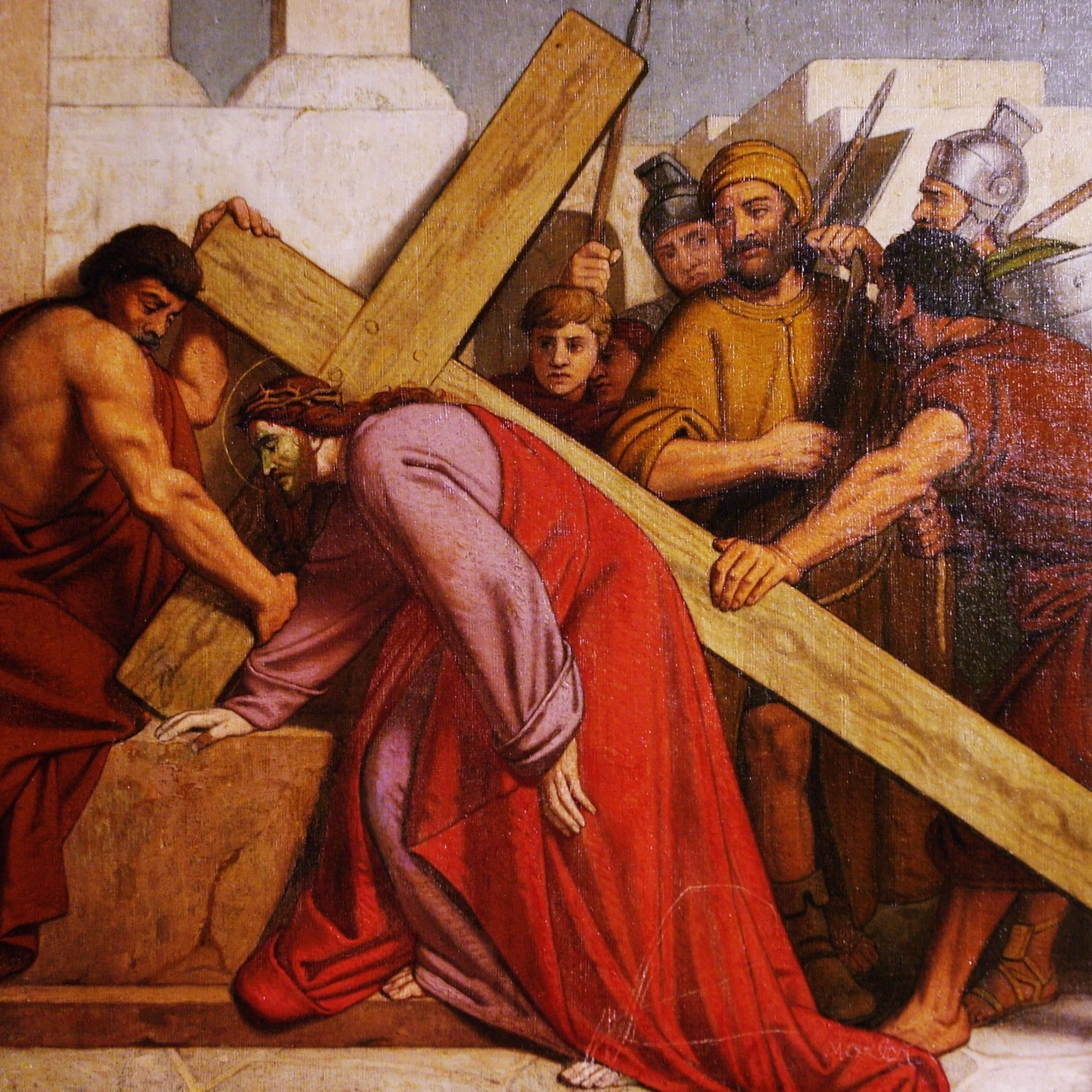
Stations of the Cross (Bilingual)
Friday:
After the 6:00 PM Mass
Pamphlets are available in English and Spanish.

2022 Annual Catholic Appeal
During the weekend of February 26, we will have the opportunity to come alongside those who are suffering through the Annual Catholic Appeal. Each of our gifts, no matter the amount, makes a difference in someone’s life.
25% comes back to our parish for our own outreach to those in need. Prayerfully consider what you can give this year.
Please designate St. Catherine of Siena Parish, Vallejo - 425.
During the weekend of February 26, we will have the opportunity to come alongside those who are suffering through the Annual Catholic Appeal. Each of our gifts, no matter the amount, makes a difference in someone’s life.
Seminarians receive support as they prepare to serve our local parishes. Catholic schools in economically-challenged neighborhoods can provide tuition assistance. 25% comes back to our parish for our own outreach to those in need.
Prayerfully consider what you can give this year.
Please designate St. Catherine of Siena Parish, Vallejo - 425.
On Happiness
Both in his words and in his life Jesus contradicted the common wisdom about what constitutes human happiness. True happiness does not come from wealth or power or pleasure. Happiness comes from seeking the kingdom of God above all human quests. Jesus’ beatitudes are a discourse on the nature of true happiness.
Everybody wants to be happy. Nobody is satisfied to just exist. Something in each one of us longs for something more - a better quality of life; we long for something deeper, higher. This longing is an important part of what it means to be fully human. The problem is in our understanding of where and how do we find true happiness.
In our society, we have access to all kinds of fun, entertainment, excitement, thrills and pleasures this modern age can afford. Businesses have come up with ingenious television commercials telling us that happiness is found in the goods and services they sell. Brilliant advertising tells us that happiness is located in Las Vegas or Cache Creek or Graton or Hawaii or in Disneyland.
The lifestyles of those we call celebrities suggest that happiness is found in excessive wealth and unrestrained permissiveness…lifestyles in which anything goes… people doing whatever they want to do… regardless…
Our economy is fueled and depends upon people wanting more and therefore buying more, spending more…. Consumerism, materialism… trying to find happiness, satisfaction out there.
But, reality check - sooner or later, people realize that what all these voices offer is just temporary pleasure - thrills…just fleeting emotions; not true lasting happiness…too superficial to reach our deepest longings…
I am not saying it is wrong to have fun and have nice material things or pleasant experiences. Life cannot be all work….Simple pleasures of life are important… But we need to get our priorities straight…and focus on what really matters in life… what life is really all about.
Jesus said: "But seek first God’s kingdom and His righteousness, and all these things will be added to you. (Mt 6:33) …
Meaning – If our heart belongs to God – our friendships, our relationships, our business and entertainment interests, everything in our life falls into right order around God, the center of our life… God is the Supreme Good… The Summum Bonum.
In Christian philosophy – The Supreme Good is believed to be not just the best thing one could ever have but also that good which contains in itself or brings along with it all other good and desirable things, that which completely satisfies the otherwise insatiable desires of the human heart and God is the Supreme Good.
People think that happiness is situational… meaning… that they can expect to find happiness if only certain external circumstances would change….They think they will be happy when certain situation or event happens…. when summer comes, or after the wedding, or when they get the new job, or new house or new car or when they retire… or when their children are out of the house.
You know what - if we think this way, happiness becomes like a mirage on the highway – continually vanishing as we approach.
In the beatitudes, Jesus is speaking the truth about happiness… which can be found within us – not out there… not depending on circumstances.
One famous spiritual author wrote (William Barclay): “A change in fortune, a collapse in health, the failure of a plan, the disappointment of an ambition, even a change in the weather, can take away the fickle joy the world can give. But the Christian has the serene and untouchable joy which comes from walking for ever in the company and in the presence of Jesus Christ.”
Sometimes we cannot help what happens to us… sometimes things happen beyond our control but we can, however, determine and can control what our response will be… even with this pandemic, we can control how we react to circumstances.
St. Paul wrote his letter to the Philippians and he wrote this while he was in prison and he even thanked them for their concern. He said: “I am not complaining, for I have learned to be content in whatever situation I find myself.” (4:11) Rather than being at the mercy of his circumstances, St. Paul has learned to transcend them… to rise above them.
St. Paul shared his secret: “I can do all things through Christ who strengthens me.” Christ is the key.
What is the difference between the people whom Jesus calls “Blessed” and those to whom he says, “Woe to you?” Those who are blessed have put their trust in God instead of in the world. Those to whom he says, “Woe to you” – are those who found their joy in the material world.
From our first reading from the book of the prophet Jeremiah – so beautiful:
“Blessed is the one who trusts in the LORD,
whose hope is the LORD.
He is like a tree planted beside the waters
that stretches out its roots to the stream:
it fears not the heat when it comes;
its leaves stay green;
in the year of drought it shows no distress,
but still bears fruit.”
Wow! What an awesome imagery of the life in God…life in Christ…
You see - we cannot be truly happy without our personal intimate relationship with God – meaning - Fullness of life… true happiness… is the result of redemptive relationship with God and loving relationship with other people… and Jesus Christ is the key. Jesus is fully God and fully human and so through Jesus we can experience both oneness with God and unity with one another… becoming One Body of Christ… children of God, our Father.
Those who are truly happy are those who found happiness not in the tables in the world’s finest restaurants but in the Lord’s Eucharistic table… Holy Communion with God and with one another – through Christ, with Christ and in Christ. True happiness is within the person whose heart has been transformed by the living Christ. That is why St. Paul said: “It is no longer I who live; it is Christ who lives in me.”
Jesus pointed the way to happiness in giving us the two greatest commandments: “Love God with your whole being, and love your neighbor as yourself.” Meaning - Happiness comes to those who forget themselves – Happiness comes to those who have sacrificed all thoughts of happiness for the sake of a higher purpose. We are called to a higher standard of living and loving.
We cannot and should not pursue happiness for its own sake…It has been said: “Make happiness your pursuit, and it leads you on a wild-goose chase.”
Happiness is actually what we discover as a result of pursuing something higher or more noble… which is doing the will of God and loving other people. In basis simple term: If you want to be happy; then make other people happy. Happiness is not the goal of life. Happiness is actually God’s gift to those who have found the true goal of life… which is Oneness with God.
So, the question is: Are you happy? If not, why not?
Personally, when asked, why are you happy, Deacon? I reply "Because God loves me!" That's it! That is the basis of our dignity and worth and hope and joy. God loves us. Nothing can separate us from the love of God in Christ Jesus.
When faced with life’s struggles, I just try to remember how God has been so miraculously good to me and my family, beyond what we could have ever imagined.
You see - until we truly really believe that God loves us, we cannot truly love ourselves and therefore, we cannot truly love others "as we love ourselves"
So, always remember this – you can forget everything I said earlier… remember this till the day you die: regardless of the circumstances or situations you might find yourselves in, ALWAYS REMEMBER: GOD LOVES YOU! GOD LOVES YOU! GOD LOVES YOU!
St. Augustine said: “You created us for yourself, O Lord, and our hearts are restless until they rest in you…”
God bless…
On Love
Our second reading from St. Paul’s letter to the Corinthians - the great reflection on love …is one of the most beautiful passages in all of Sacred Scripture. We often hear it on weddings.
Actually, the reason why St. Paul wrote this was because the community was celebrating the Eucharist – incorrectly.
You see, the early Christians gathered together on Sundays – like we do - in obedience to the Lord's command: "Do this in memory of me." So, they shared a meal just as Jesus shared a meal with his disciples at the Last Supper. During those gatherings, the needs of the community were taken cared of…. Foods were shared in common. They brought enough so that the poor members of the community had enough also
The Eucharist was being celebrated as part of a full meal but things started to break down. Factions and cliques – or exclusive groups - were forming even as the Corinthians gathered to celebrate the Lord's Supper. The rich were bringing good food and drink only for themselves and their friends… while the poor were being neglected and were left to take care of themselves. Come to think of it - this does not seem too different today in some form or another… with all due respect.So, St. Paul corrected the Corinthians by going right to the heart of what the Eucharist is all about… that…at the Lord's Supper, everyone shared the One Bread of Christ, making the participants one body, one community of love…and he pointed out that the division into factions - with the rich neglecting the poor, even treating them with disrespect or ignoring them as in conflict with the communal nature of the Church…. As Christ called His Church to be.
So, St. Paul talked about Christian community – as we heard from last two Sundays’ second readings also – St. Paul pointed out that the various gifts of the members of the community – wisdom, understanding, prophesy, speaking and interpreting tongues, and so forth – they all flow from the same Holy Spirit.
…One gift is not more important than the other, one member of the community is not more important than another. Together – all - with their gifts - compose the unified or One Body of Christ. Do you see how it also applies to us today?As we heard in today’s second reading, St. Paul emphasized that the gifts of the Holy spirit are useless, meaningless, without love…
Even if you speak in angelic tongues, even if you comprehend all mysteries; even if you give your body to be burned, even if you give a lot to the poor, but if you do not have love, you gain nothing.
St. Paul was basically telling the church how to be church…Eloquent sermons are not enough…. Exercising even radical faith is not enough… even feeding the poor, taking care of the homeless, is not enough…. For the church to be truly church, the Body of Christ, it must express the unconditional love of God, as individuals and as a community.
St. Teresa, the Mother Teresa of Calcutta said it so beautifully:
It is not how much we do, but how much love we put in the doing.
It is not how much we give, but how much love we put in the giving.
“Faith, hope and love… and the greatest of these is love.
Sadly, with all due respect, we all have experiences of people who claimed to have great faith or to have knowledge of faith and Scriptures but who lacked love. We all have met people who were so stern, so harsh in their dealings with others…. so rigid in what they thought is proper Christianity, that – instead of people experiencing God’s love through them - they actually drive their children and spouse and friends away from their lives – even turning people away from the Church… people were turned off.
Without love, we, as individuals and as Church, are nothing.
St. Paul wrote: “If there are prophecies, they will be brought to nothing; if tongues, they will cease; if knowledge, it will be brought to nothing.”
- Meaning – when we die - all our gifts become nothing – only love remains or survives… So, our focus should not be so much on the gifts of the Holy Spirit… they were given to us for us to grow in our faith – in our relationship – in our Oneness with God…. And our ultimate focus must be on living the Love of God – learning to love God not because of what He gives us but loving God and each other because we ourselves have become Love… not a matter of doing or giving but it is a matter of the heart, a matter of Being… being Love as God is Love.
We were created in the image and likeness of God who is Love and so our very nature is to Love… Not so much to be loved…but to love… and Be Love in existence.
God so loved the world that He gave His only begotten Son, God became one of us - human, so that – through Christ - we can become as He is – divine love… we share in the divine life of God.
We heard in the reading: “At present we see indistinctly, as in a mirror (meaning -just getting a glimpse of God), but then, face to face – when we get to heaven, we see God face to face - At present I know partially; then I shall know fully, as I am fully known.”
That is why - with that awareness and Christian maturity – to which we are all called to - St. Paul said: “When I was a child, I used to talk like a child, think like a child, reason like a child. But when I became a man, I had to put aside childish things.” In other words – calling us “to grow up”…. To grow not just in age but in wisdom… in communion with God…. to go beyond being “minimal” Catholic Christians…. just whatever it takes just to get by.
As Christians, we are called to higher standard of loving.
That’s why St. Paul clarified what love is as we heard in today’s second reading.
It is actually a statement of what is essential for authentic Christianity.
Let me paraphrase: Love is a patient man, a patient woman. Love is a kind man, a kind woman. Love is a person who is not boastful, or rude, or self serving… Love is one who is not quick tempered, or vengeful. Love is a truthful person, a man or woman of integrity. A loving man, a loving woman endures anything and keeps right on loving. No matter what happens, his or her love remains strong.
I suggest, at the end of the day, before going to sleep, as part of your examination of conscience, ask yourself: Was I patient, kind today? Was I boastful, rude or self-serving today? Was I quick tempered or vengeful today? etc. Use the first letter of St. Paul to the Corinthians Ch. 13… to examine your conscience even before going to Confession.
We, the Church, the Body of Christ – share in the mission of Christ, to bring good news of God’s love, and freedom to those who need them.
Let us not be like the people of Nazareth, Jesus’ home town, as we heard in today’s Gospel reading …who refused to hear Jesus’ message…
We are all called to believe that God fulfills his promises through us….we are the Body of Christ – today, now - if only we allow God to work through us.
We were all also anointed at our own baptism and so now, I invite you to claim as our own profession of faith this passage from the book of the prophet Isaiah which Jesus proclaimed as we heard last Sunday - just in case you did not hear it or remember it and about which Jesus said as we began our Gospel reading today: “Today, this Scripture passage is fulfilled in your hearing,”
Please repeat after me:“The Spirit of the Lord is upon me,
because he has anointed me
to preach good news to the poor.
He has sent me
to proclaim liberty to the captives
and recovery of sight to the blind,
and to let the oppressed go free…”
Amen… meaning – So be it. Meaning - this Scripture passage is being fulfilled also in you and in me today and all the days of our lives.
God bless…